











Every week, we hear from homeowners who’ve ended up with scratched glass, cloudy panes, or streaks that won’t shift — all because of using the wrong tools or chemicals. And while window cleaning sounds simple, it’s one of those household chores where the wrong product can quietly do a lot of damage. So what should you not use to clean windows?
As professional exterior cleaners in Australia, we’ve seen it all: steel wool marks, baking soda burn, and DIY white vinegar sprays that stripped the rubber seals clean off. Many call us after searching “window cleaners near me” and learning the hard way that not all methods work.
So let’s break down what you should never use to clean your windows, why it matters, and what actually works, whether you’re dealing with bay windows, high-rise panes, double-glazed units, or just the bathroom windows.
Contents
Avoid When Cleaning Windows
1. Abrasive Scrubbers and Steel Wool
Why it’s a problem:
- Abrasive tools like steel wool and harsh scouring pads can leave permanent micro-scratches on the glass surface.
- Over time, these scratches collect coarse dirt, mineral content, and water spots, making your windows dull and harder to clean.
Real job story: We once cleaned up after a handyman used steel wool on salt-stained pool fence glass. It took hours of polishing to restore — and even then, some marks were too deep.
Better option: Use a soft microfiber cloth, bamboo cloth, or soft sponge for agitation. For tough stains or stubborn dirt, opt for a scraper with a new, sharp blade held flat against the glass.
2. Powdered or Gritty Cleaners
Why it’s a problem:
- These abrasive window cleaning detergents (like Ajax) contain particles that scratch not just the window pane, but also the window frame and sill.
Better option: Use a professional window cleaning solution or a basic cleaning method like a mix of dish soap and lukewarm water.
We’ve seen people in Melbourne fall into this trap — they try a gritty cleaner and end up needing professional help. That’s when they reach out for Window Cleaning Melbourne services.
3. Ammonia or High-Alkali Cleaners
Why it’s a problem:
- Damaging to window types with tint, solar film, or double glazing.
- Can degrade seals and lead to unsightly stains or fogging between panes.
Better option: Go for a neutral ph glass cleaner — many commercial window cleaning products are formulated to be safe on all window surfaces.
4. Vinegar and Bicarb Mixes
Why it’s a problem:
- While popular among natural cleaning solutions, the acidity of vinegar can degrade powder-coated frames or cause discolouration on window sills.
- The gritty nature of bicarb can result in abrasion, especially when cleaning with a paper towel or rough cloth.
Better option: If you’re using white vinegar, dilute it heavily and only apply with a soft cloth, then rinse thoroughly with clean water.

5. High-Pressure Water Blasters
Why it’s a problem:
- Pressure washing services not suited for windows can blow seals, soak interiors, or damage exterior windows and screens.
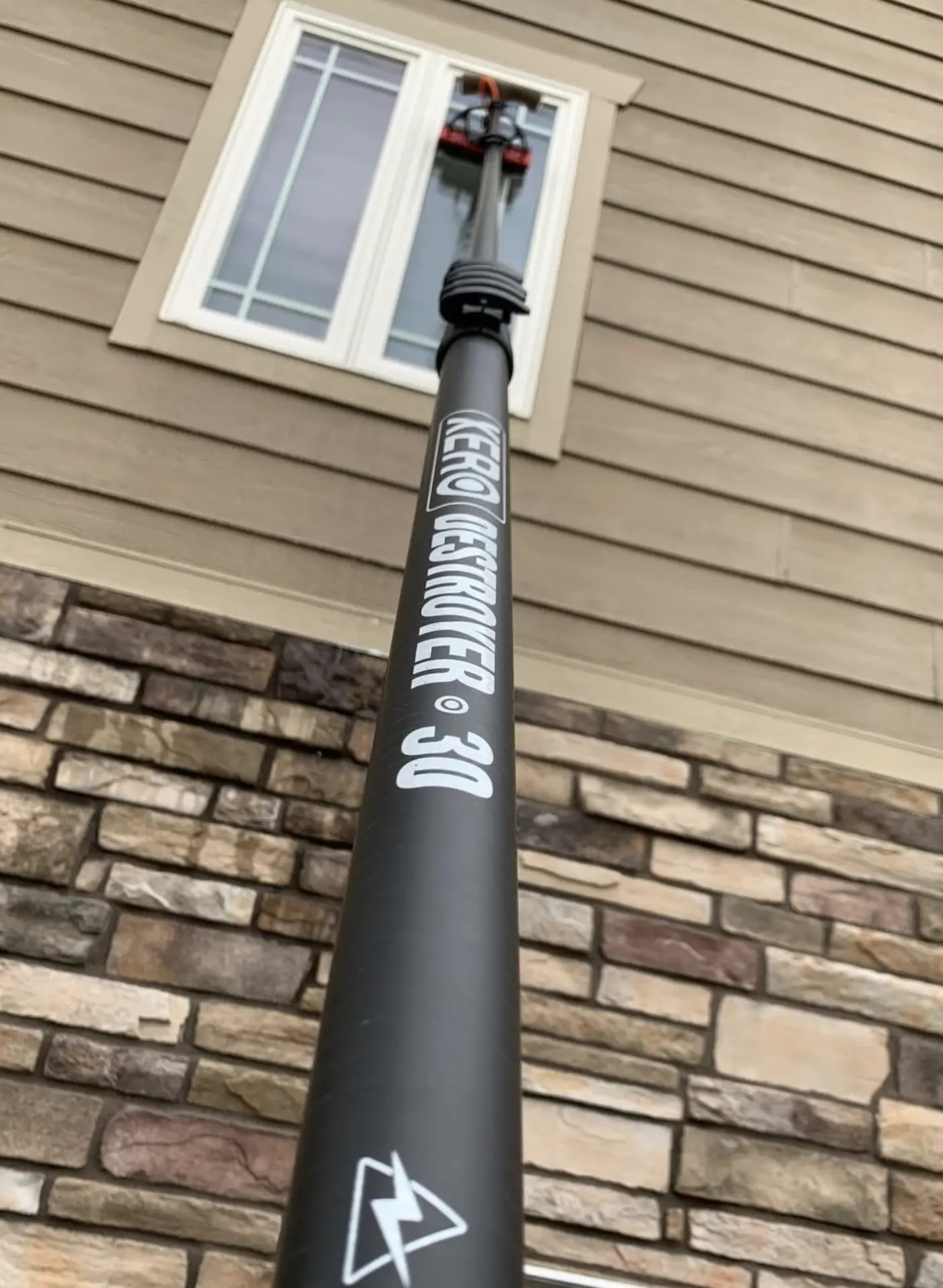
Better option: Stick to water-fed pole systems with distilled water or plain water. They’re safer and leave a streak-free finish without residue on windows.
High-rise window cleaning Melbourne professionals rely on water-fed pole systems for safe, effective results without risking damage.
6. Newspaper
Why it’s a problem:
- Ink smudges, coarse fibres, and uneven finish — classic window cleaning mistakes.
Better option: Use a clean microfiber cloth, lint-free cloth, or absorbent microfiber cloths for a proper streak-free window.
7. Household Detergents Not Meant for Glass
Why it’s a problem:
- These can leave behind residue and create a buildup of dirt or attract airborne particles that stick to the window glass.
Better option: A Mix of vinegar and water can work in some cases, but a few drops of dishwashing liquid in a 5-litre bucket of warm water is a safe bet.

8. Hard Tap Water from Garden Hoses
Why it’s a problem:
- Leaves behind mineral deposits and water droplets that dry to form hard-to-remove stains.
Better option: Rinse with a clean microfibre cloth and distilled water for streak-free results.
Many Melbourne window cleaning jobs involve reversing the damage caused by hard water rinses and poor drying techniques.
Surfaces That Need Special Care
• Double-Glazed Units
Avoid soaking with soap water or using abrasive sponges. Window soaking and hard scrubbing weaken seals.
• Tinted and Coated Glass
Avoid ammonia-based cleaners and acid-to-water mixes. Use soft cloths only, with proper cleaning solutions.
• Older Heritage Windows
Use steam cleaners with caution — even with an attachment for steam cleaners, these need adherence to safety guidelines.
Actual Window Cleaning Process
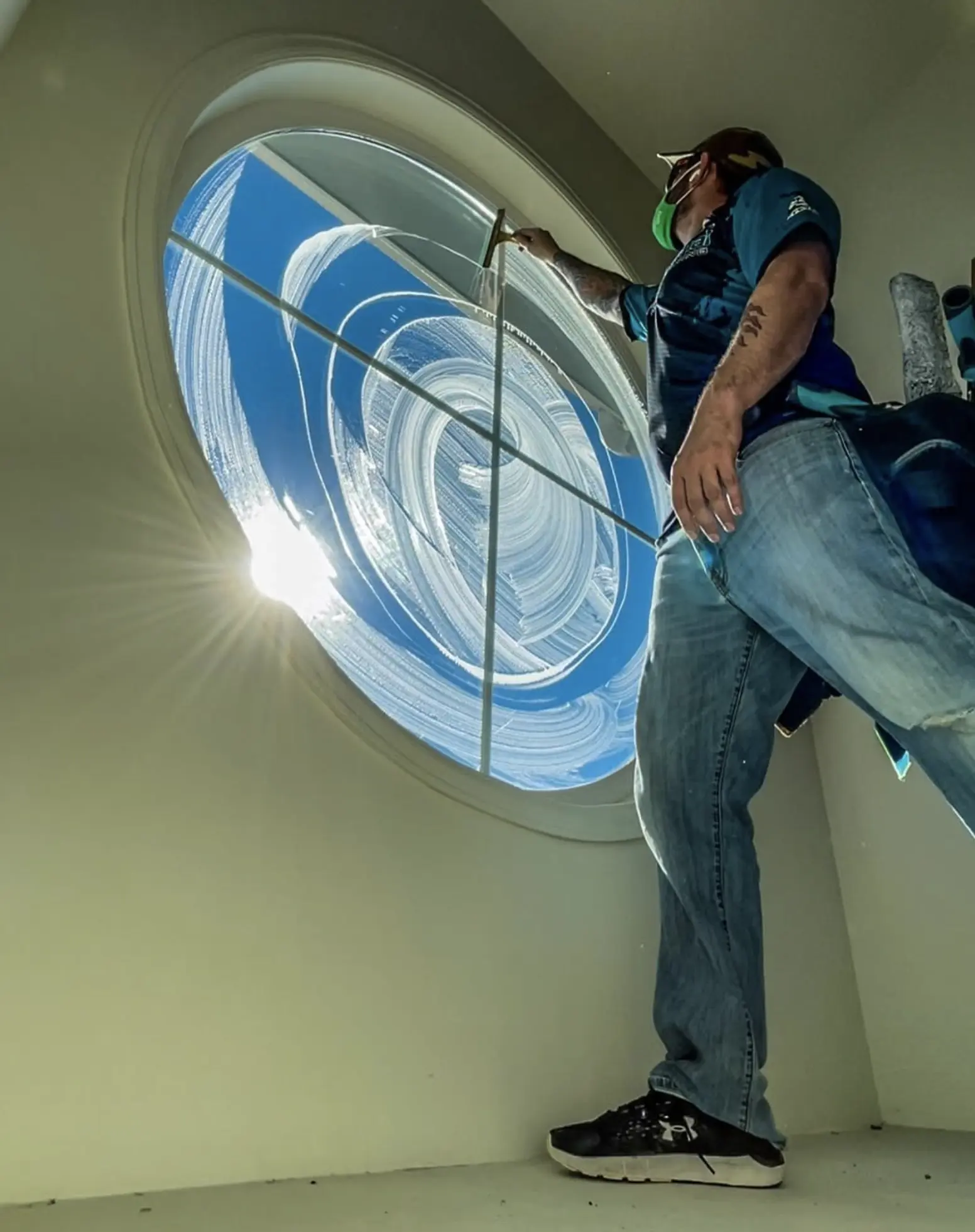
What we use on most jobs:
- 5-litre bucket with soapy water made from dish soap and lukewarm water
- Soft sponge or microfiber cleaning cloth
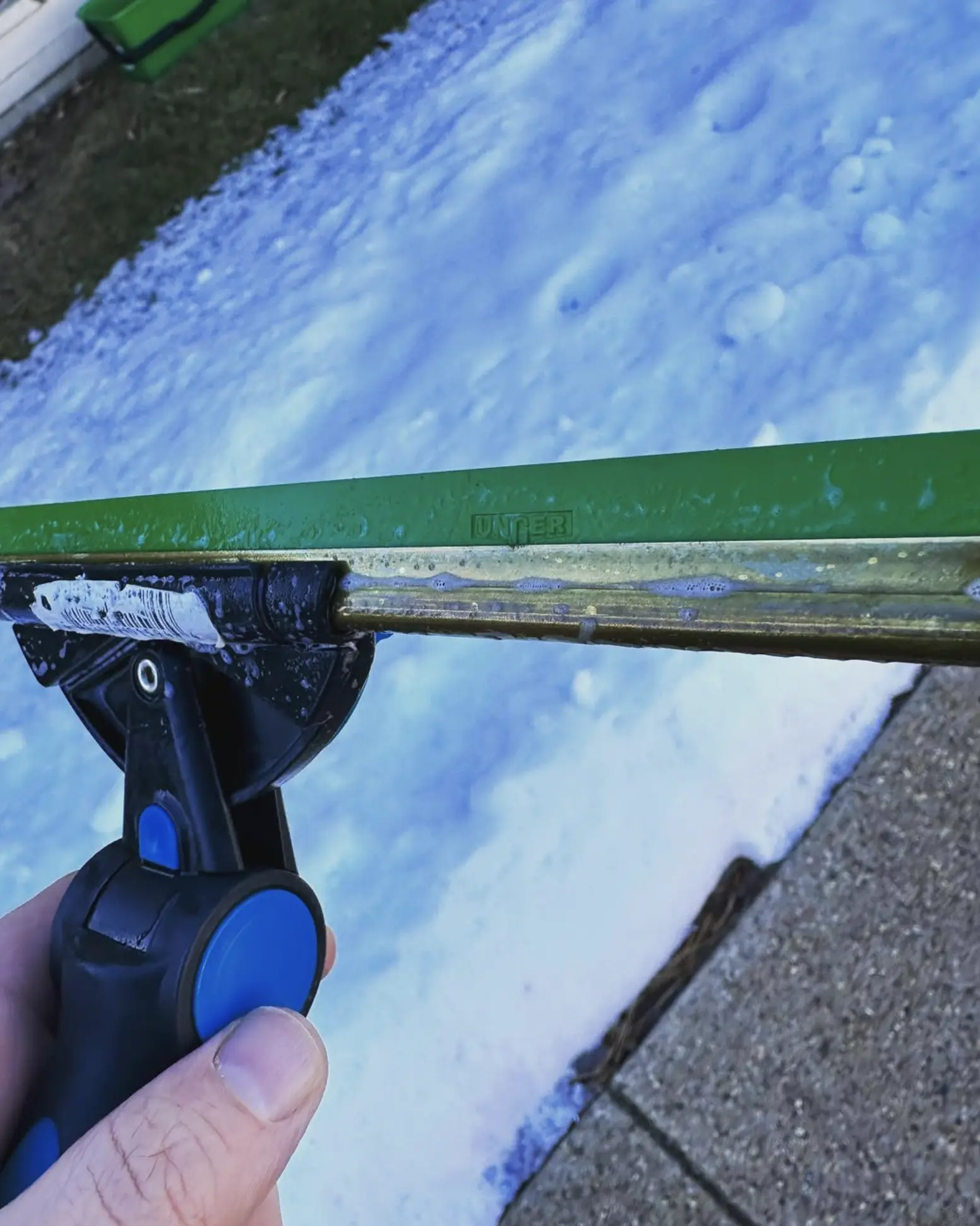
- Squeegee blade for drying with a zig-zag motion
- Microfibre cloths or lint-free microfiber towels for edges
Tips:
- Clean the window in sections, starting from the top.
- Dry with an absorbent cloth or dry cloth to prevent excess moisture streaks.
- Always assess the weather conditions — avoid cleaning in full sun or bad weather.
No matter the method, consistent Window Cleaning is the key to long-term clarity and curb appeal.
The Window Cleaning Melbourne Crew knows that safe technique and the right tools are what deliver a professional finish every time.
Avoid These Common Mistakes
- Using a beach towel or aerosol spray as a shortcut — it leaves dirt particles or residue.
- Not checking window screens or window tracks — these harbour dirt.
- Not following regular cleaning schedules (aim for every 3–6 months).
- Using robotic window cleaners without proper setup often leads to uneven cleaning.
When Professional Cleaners Step In
High-rise job:
- Used water-fed pole systems
- Removed stubborn streaks, mineral deposits, and dirt particles
- Achieved streak-free shine on all glass surfaces
Our team specialises in high-rise window cleaning Melbourne, where safety and spotless results go hand in hand.
Reno cleanup job:
- Removed sticky residue, tough stains, and excess water
- Used a soft microfiber cloth and proper window cleaning supplies
- Restored natural light and left spotless windows throughout
Final Advice
Stick with safe, simple methods — warm water, microfibre cloths, a proper cleaning agent, and attention to weather conditions. Avoid abrasive dirt, abrasive tools, and cleaning products not made for glass.
And remember: professional window cleaning service teams carry specialised tools and follow adequate safety measures to protect your home and deliver a streak-free window cleaning finish.
If you’re unsure where to start, just search “window cleaners near me” and make sure they explain their process — that’s what sets real pros apart.
FAQ
Can I use lemon juice or vinegar to clean all windows?
Only with special care — both are acidic and may damage seals or react with sunlight, leading to window fading.
Should I clean with tap water?
Avoid it if your area has hard water — distilled water is better for a streak-free result.
Is a paper towel OK?
No — it leaves lint and streaks. Go for a clean microfiber cloth or absorbent microfiber cloths.
What’s the secret to streak-free windows?
Use a proper window cleaning solution, clean microfibre cloths, and work in shade or late afternoon with ample light.
Are there affordable alternatives to commercial glass cleaners?
Yes — a simple soap solution with warm water and a soft microfiber cloth gets the job done in most cases.