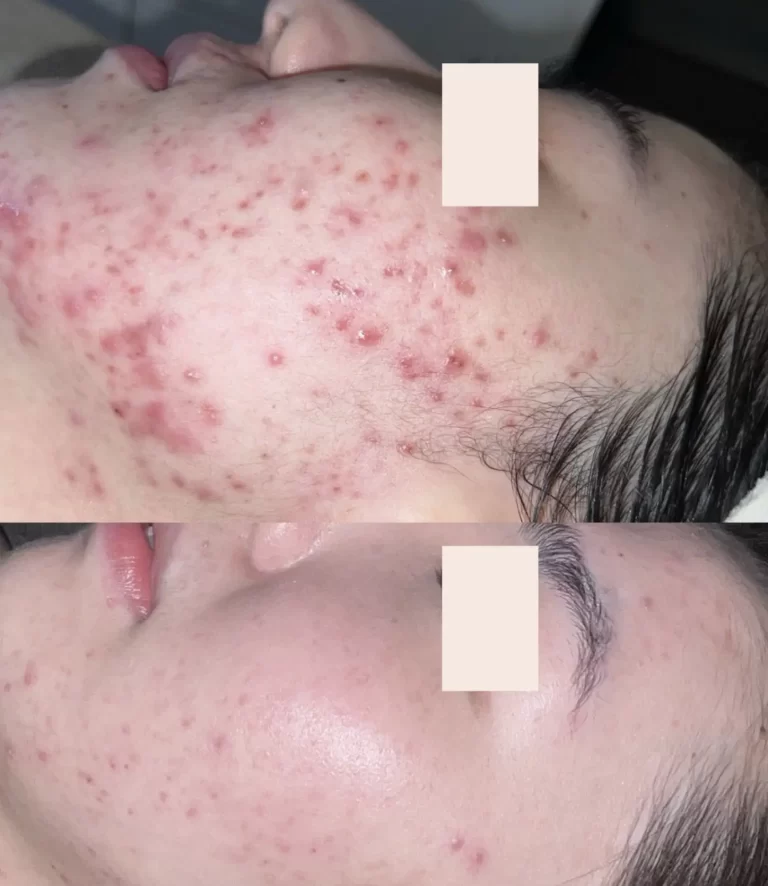





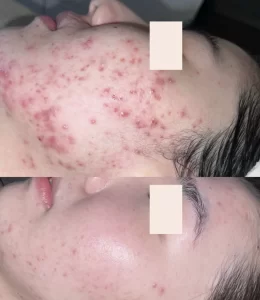
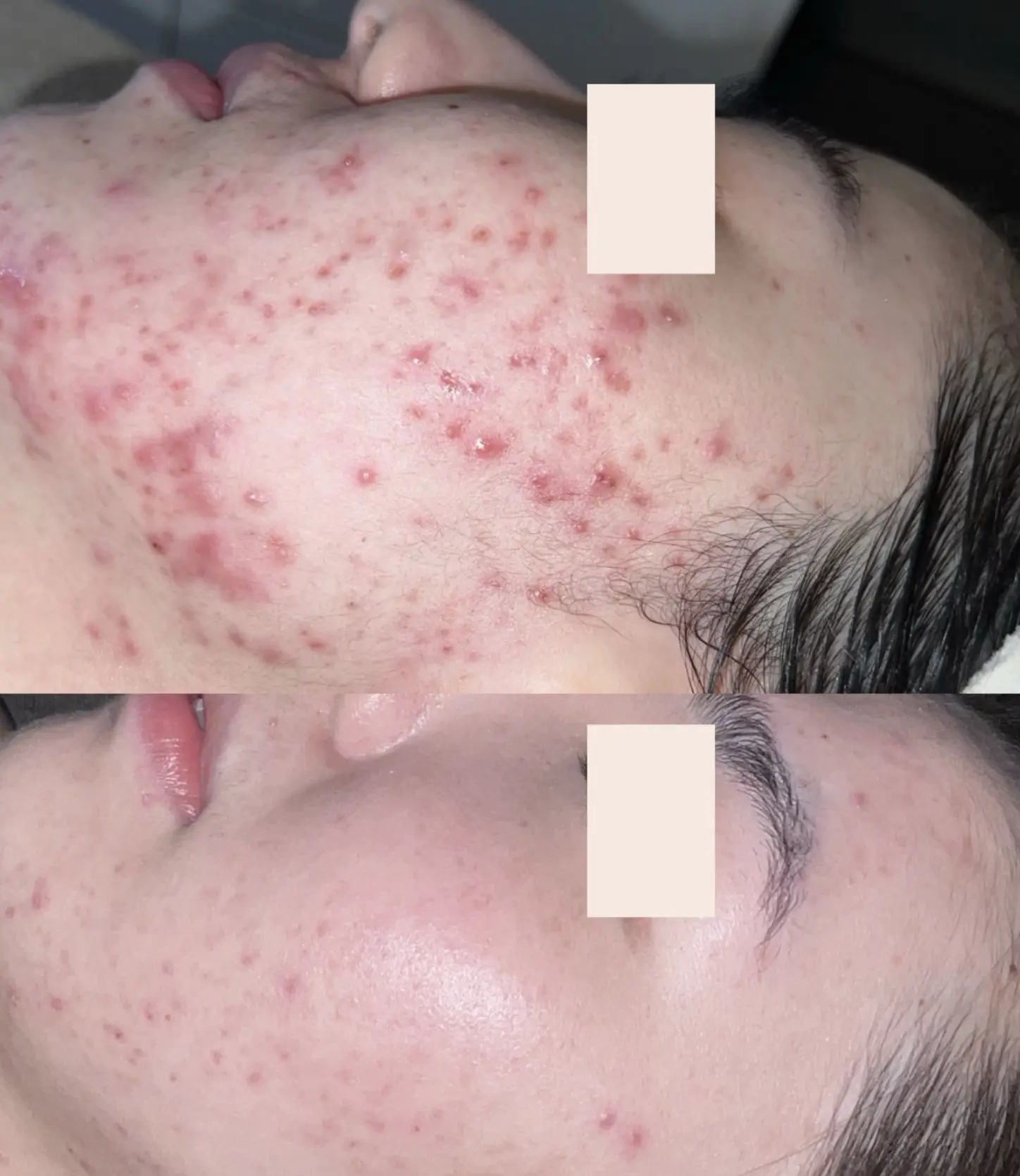
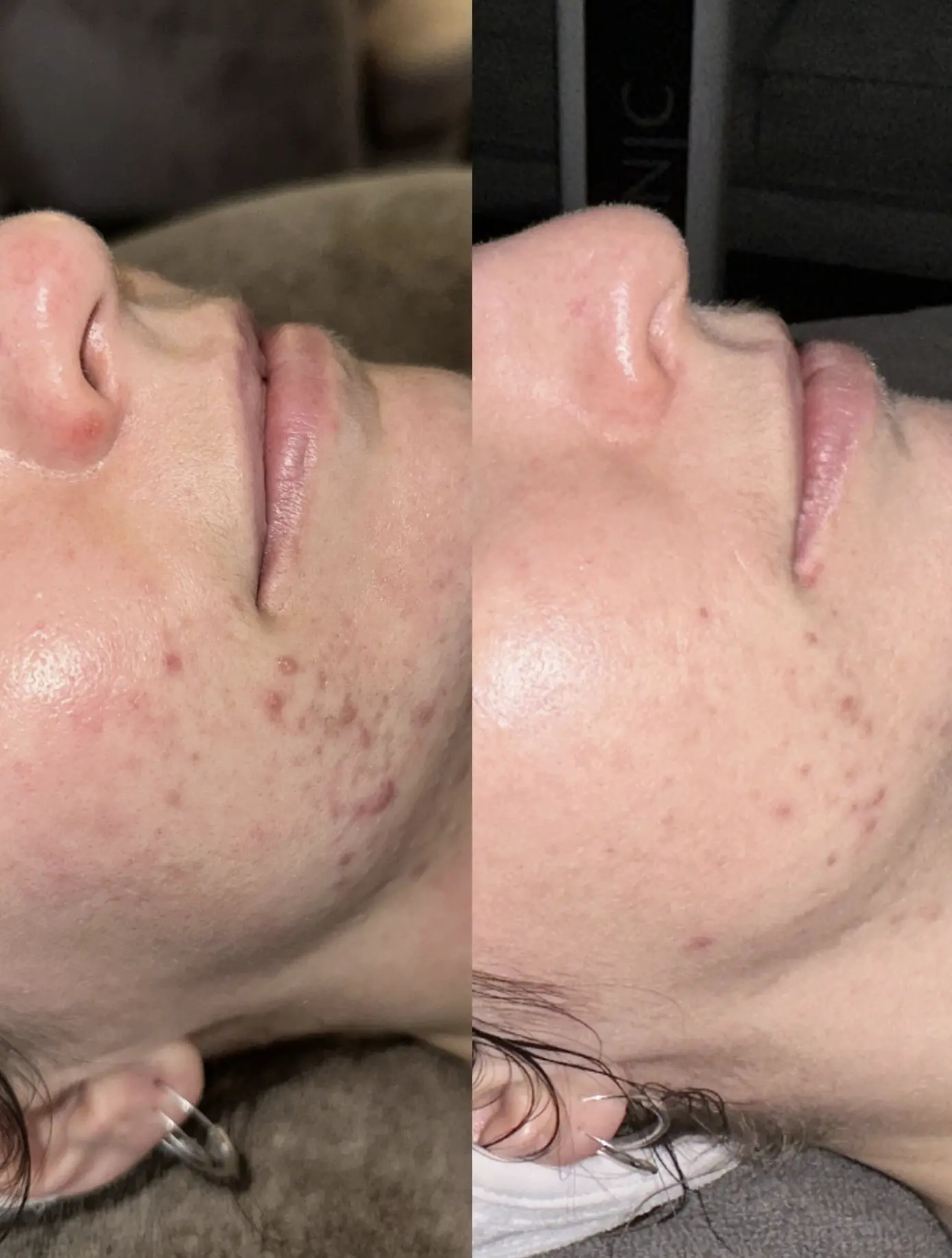
When clients come to me, “How do you treat persistent breakouts or congestion?” they usually have exhausted all their hopes on the latest product trends, tried influencer hacks, and bought into yet another product promising miracles – all with zero results to show for it. I’m Sevine, and after years of treating skin here in Brisbane’s sweltering humidity, I’ve come to a pretty simple truth: congestion is rarely just about one thing. It’s a pattern, a build-up, a sign that something’s not quite right. And yes, with the right plan, it’s totally treatable – especially when you’re getting regular restorative facials woven into your routine.
Before we get into timelines, ingredients, and all the latest ‘miracle treatments for 2026‘, take a moment to breathe. Persistent breakouts don’t mean you’re doing something wrong – they’re just your skin’s way of telling you that it needs something a little different, something a bit calmer, a bit more consistent and maybe a bit more tailored to your individual skin needs than what the latest social media skincare line is peddling.
Contents
- 1 Invisible Drivers Beneath Surface-Level Spots
- 2 Building A Plan That Supports Stability And Calm
- 3 Ingredients That Help Bring The Skin Back Into Balance
- 4 Internal Rhythms Influence What Appears On Your Skin
- 5 Timeframes That Set Realistic Expectations
- 6 Everyday Habits That Shape Your Results
- 7 The Problem With Squeezing Your Own Face
- 8 Skin Advancements In 2026 That Truly Support Clarity
- 9 Supporting Skin That Feels Overwhelmed
- 10 FAQ
Invisible Drivers Beneath Surface-Level Spots
When your skin is looking a bit off, it’s rarely just what you see staring back in the mirror. Beneath every lump and bump is a whole network of sebaceous glands, pilosebaceous units, dead skin cells and (all too often) an overgrowth of cutibacterium acnes. Throw in Brisbane’s heat, all the sunscreen and sweat you’re using daily, plus all the makeup you’re piling on, and it’s no wonder your pores can start to feel overwhelmed, something I see all too often at The Facial Hub in Brisbane.
The causes of this congestion can be really varied:
- Hormonal swings that are messing with your oil levels
- Stress, which makes your skin behave in really weird ways
- Genetics that might be affecting the size and texture of your pores
- Disrupting your skin’s barrier with over-exfoliation
- Lifestyle factors like how much sleep you get, how much exercise you’re doing, and what you’re eating
Understanding these patterns is key to building a skincare plan that works, rather than just buying online.
Building A Plan That Supports Stability And Calm
Once we figure out what’s going on, we start building a plan that soothes your skin rather than shocking it. We ditch heavy-handed approaches for ones that actually calm inflammation, steady the barrier, and help keep pores from getting blocked.
This might look like:
- Overhauling your cleansing routine
- Simplifying your skincare routine as much as possible
- Adding ingredients that make sense
- Using techniques like lymphatic drainage during a lift & sculpt facial at The Facial Hub
- Finding the right level of hydration for your skin, and where you live
Progress happens when your routine becomes a support system for your skin rather than a dodgy experiment.
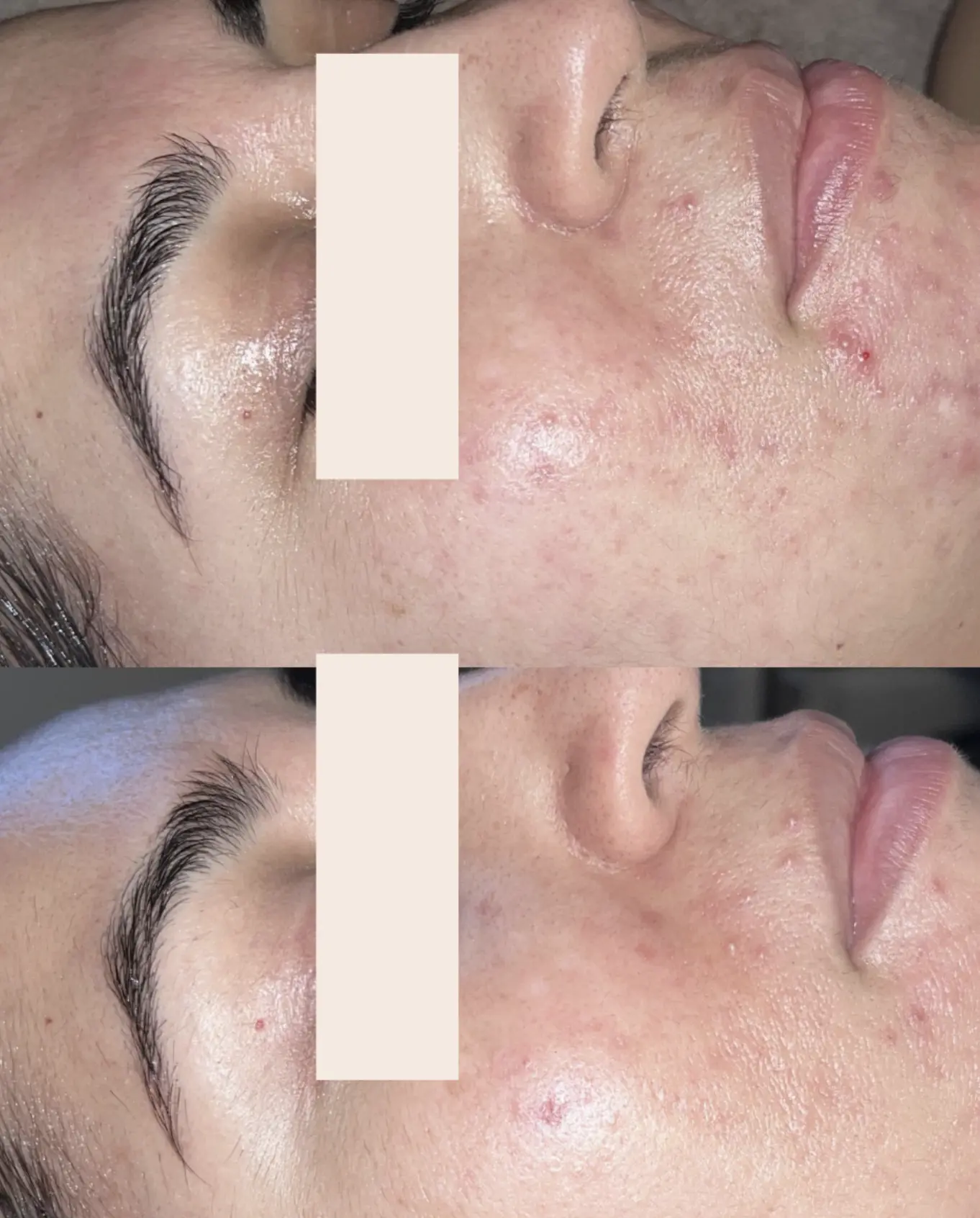
Ingredients That Help Bring The Skin Back Into Balance
Some ingredients have a whole lot of history behind them, while others just pop up and then fizzle out. When it comes to acne vulgaris, inflammation, or skin that’s got some major texture issues, I stick with these tried and true ingredients:
- Salicylic acid is like a deep cleaner for your pores; it dissolves excess oil and removes dead skin cells.
- Glycolic acid helps smooth out uneven texture and leaves you with a smooth, even glow.
- Retinoic acid promotes skin turnover and helps remove clogged pores.
- Azelaic acid is effective for reducing redness and helping lingering zit scars fade.
- Niacinamide – basically a superhero for your skin – tightens up the barrier and keeps your oil production in check.
- When topical antibiotics or even oral antibiotics are used. We use medical treatments such as LED light therapy at The Facial Hub to help calm things down and get your skin back on track.
Internal Rhythms Influence What Appears On Your Skin
While taking good care of your skin with the right products is essential, your internal landscape plays a big role too. I’ve seen some pretty crazy skin shifts on myself when hormones have been out of whack – big bumps popping up, sudden dryness, cystic zits out of nowhere. It underscored that hormonal imbalance is often the root of what people call “bad skin”.
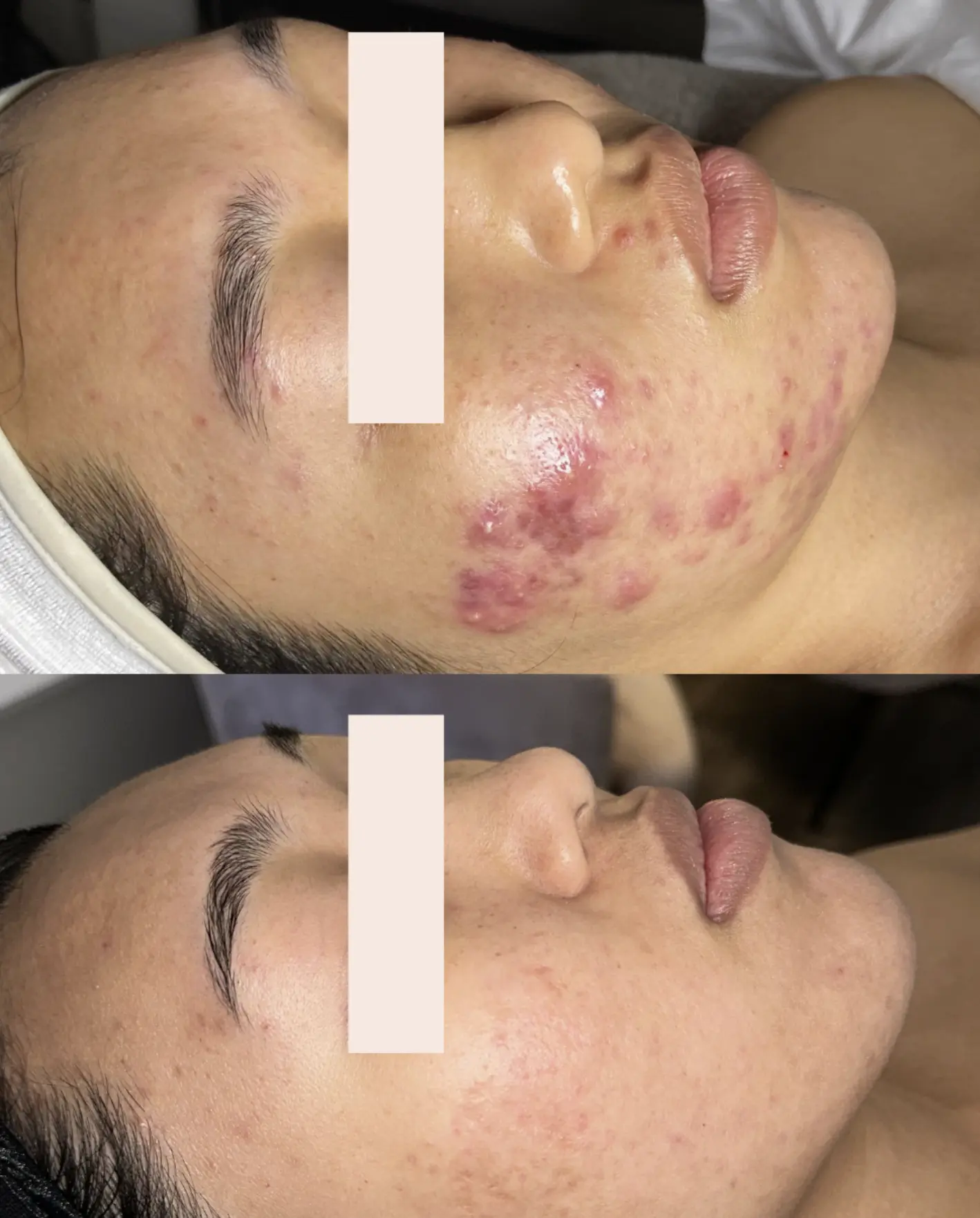
You might notice:
- Flare-ups that come and go with your cycle
- Bumps along your jaw that are more tender than the rest
- Changes in oil production
- Skin that’s slower to heal
It all tells a story – and you can learn a whole lot from your own skin if you pay attention.
Timeframes That Set Realistic Expectations
Lasting changes don’t happen overnight — and that’s not a failure; it’s physiology. Here is a realistic look at how long different improvements typically take when approached consistently.
facials
Average Improvement Timeline (2026 Benchmark Data)
| Skin Focus | Notable Shifts | Approximate Timeline |
|---|---|---|
| Surface inflammation | Calmer tone, fewer active spots | 4–6 weeks |
| Blocked pores | Smoother feel, reduced bumpiness | 6–12 weeks |
| Hormonal patterns | More predictable cycles | 8–16 weeks |
| Textural markings & colour change | Gradual fading, boosted collagen production | 8–20 weeks |
Recent industry analytics (2026 Beauty Insights Survey) show that 72% of users expect results within four weeks, even though full turnover cycles require roughly 28–40 days. Setting accurate timelines prevents frustration and helps maintain momentum.
Everyday Habits That Shape Your Results
You might have a professional treatment, but it’s the small changes you make at home that’ll decide whether all that effort actually sticks. Here are the adjustments that really make a difference:
- Cleansing without stripping
- Using salicylic acid or glycolic acid mindfully, not excessively
- Moisturising even when you feel oily
- Choosing non-comedogenic foundations
- Wearing sunscreen daily
- Avoiding picking (truly, nothing derails progress faster)
When congestion is a bigger problem, I sometimes recommend a hydrafacial at The Facial Hub to remove excess surface debris without disrupting your skin barrier.
The Problem With Squeezing Your Own Face
I’m not going to lie, I’ve watched my fair share of those YouTube extractions – they can be really satisfying – but the thing is, doing it at home is a recipe for disaster. When you squeeze your skin wrong, you can:
- Push the bacteria further down, which just makes things worse.
- Spread the infection – the last thing you need.
- Leave behind nasty marks that’ll take ages to clear up.
- Mess with your collagen network – no thanks.
Professional extractions are done in a sterile environment, under control, whereas you tend to do yours in the bath, or worse, in front of the telly.
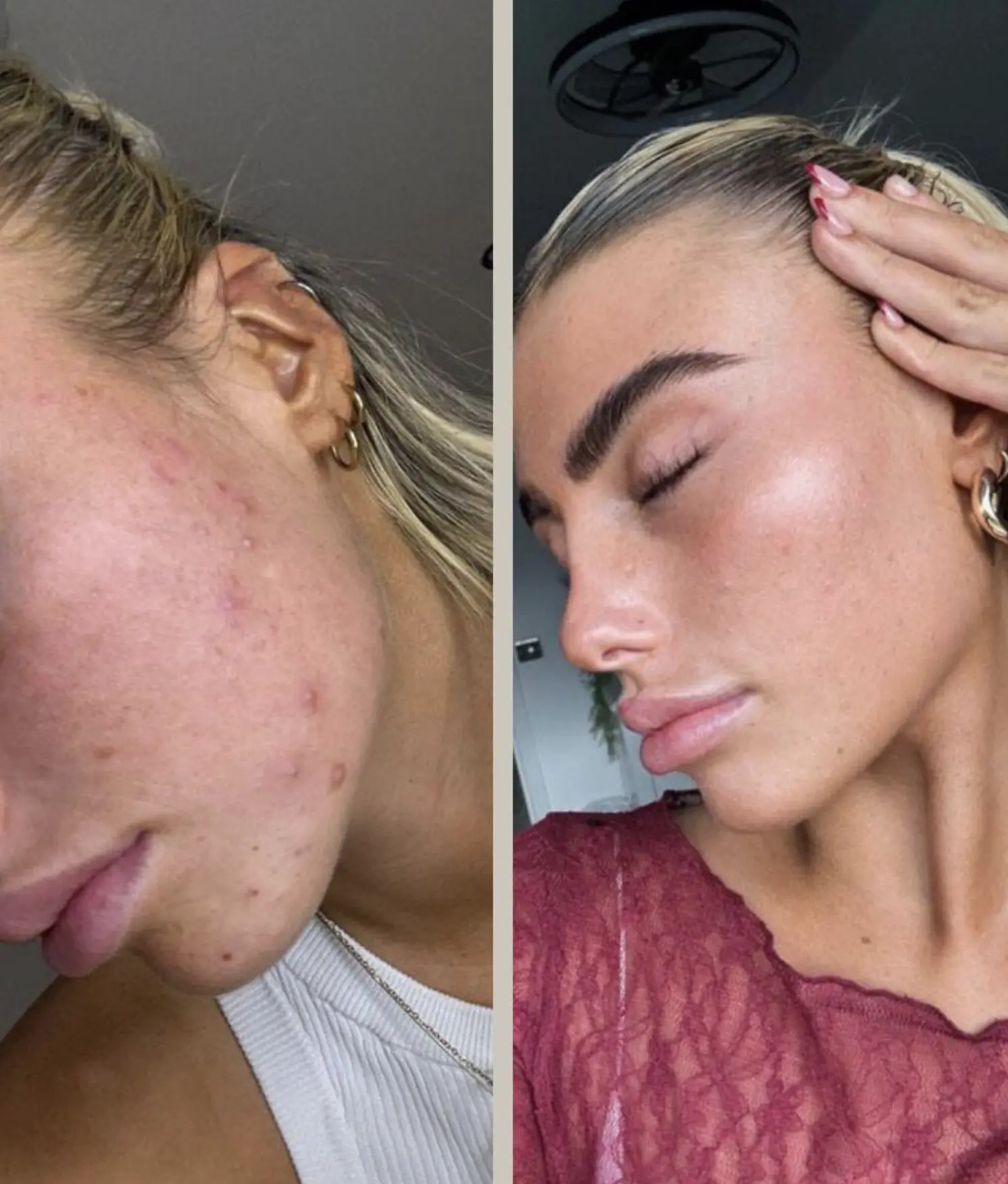
Skin Advancements In 2026 That Truly Support Clarity
A few things changed in 2026 that have genuinely made a difference for people with ongoing skin issues:
Microbiome-Supporting Formulas
Some of the new formulas out there are pretty cool. They contain postbiotics or fermented elements, which can really help keep your skin environment in check.
Barrier-First Routines
More and more people are ditching that harsh over-exfoliation approach and embracing a gentler, slower routine.
Chemical Peel Progressions
You know, those professional peels using glycolic acid, salicylic acid, or lactic acid really do offer a more controlled way to resurface and address acne scars.
Increased Use Of Energy-Based Therapies
Light-based devices are becoming more mainstream, which is one reason clients love combining their topical treatments with LED light therapy at The Facial Hub.
These developments are part of a bigger trend – more and more people are looking for guidance that’s informed and educational, which is great – I mean, that’s what large practices like Metropolis Dermatology have been pushing for years.
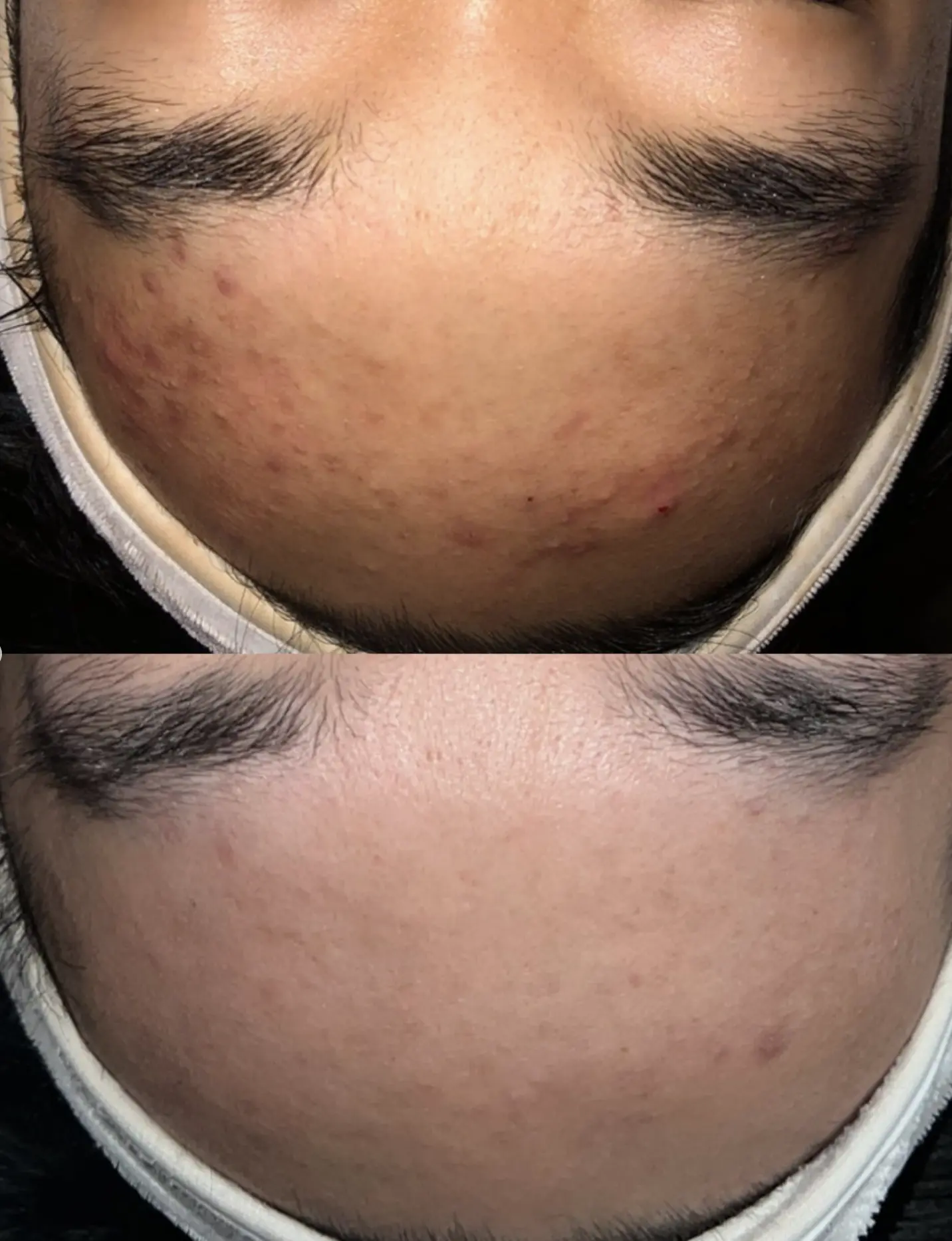
Supporting Skin That Feels Overwhelmed
When your complexion is doing its own thing, it’s easy to assume something’s up with your skin. But more often than not, your skin is just feeling a bit overwhelmed – not totally beyond repair. With a bit of planning, a consistent skincare routine and some thoughtful treatments, even long-standing issues can start to make a real difference.
And if you’re ever feeling a bit stuck and unsure of where to start, I’m always here to help you cut through the noise and figure out what your skin really needs.
FAQ
Do I need prescription medication to treat acne vulgaris?
Not necessarily. Often, a balanced skincare routine, targeted chemical peels, and TLC for your microbiome are all you need to sort your skin out. Prescription options like antibiotics are generally reserved for when things get really nasty.
Why does Brisbane’s climate make my congestion worse?
To be honest, the heat and humidity really do make things worse. It gets all the sweat and oil glands going, traps in all the dead skin cells and basically creates the perfect breeding ground for bacteria to cause trouble.
How do I know if my breakouts are hormonal?
Hormonal acne typically appears along the jawline, worsens around the time of your period, and often presents as deep, painful cysts.
Will chemical peels help with acne scars and texture?
Absolutely. Peels with glycolic acid or salicylic acid can help smooth your skin texture, fade acne scars, and restore collagen production over time.
Should I avoid makeup when breaking out?
No, you don’t need to go makeup-free – but make sure you’re using a non-comedogenic foundation and washing your face thoroughly to remove any grime and prevent issues from getting worse.