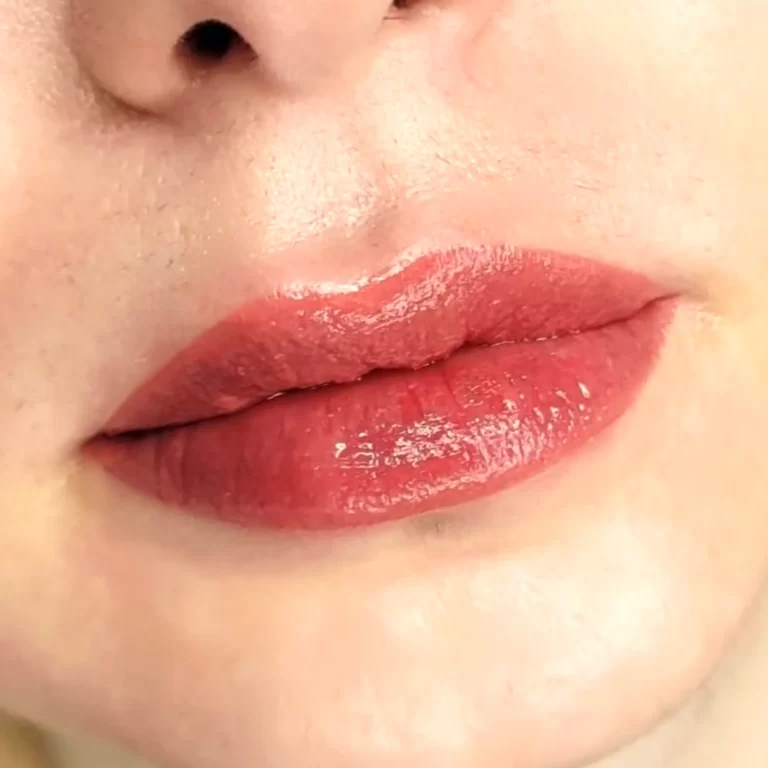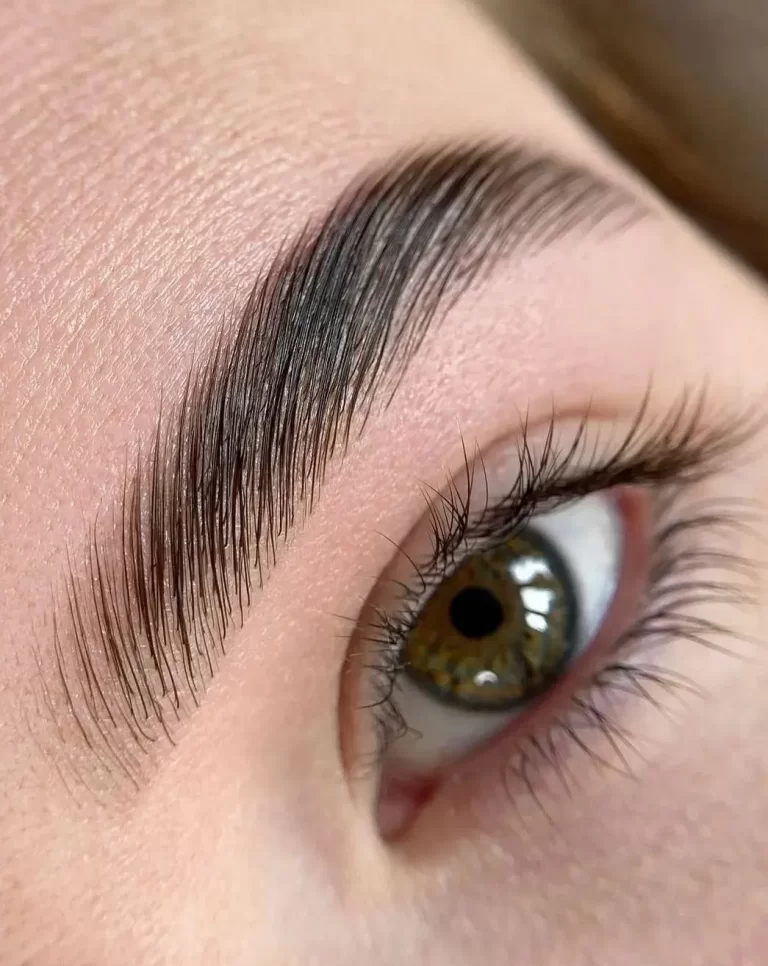

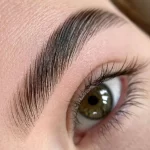


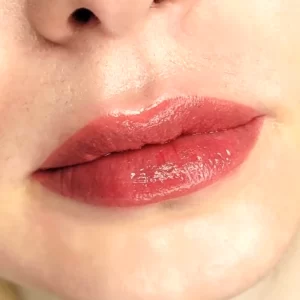
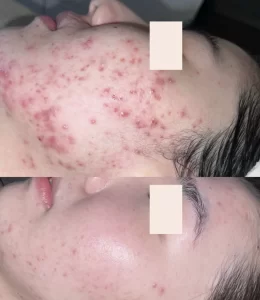
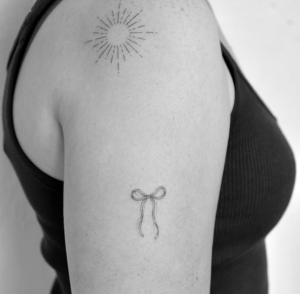
Stepping into the world of cosmetic tattooing raises a lot of questions for curious beginners, and can you teach yourself to be a cosmetic tattoo artist? is something we get asked almost every week here in our Brisbane studio. As artists with over 15 years of experience in permanent makeup, Uliana Kasperska and the team at our Cosmetic Tattoo Studio, Brisbane Face Figurati, understand why people wonder this. TikTok makes S-brow tattoo techniques look easy, and cosmetic tattoo courses seem to pop up online, promising instant results – but the real learning happens hands-on with an educator, not from watching videos on your own.
You’re in the right place to get a straight, honest answer with no fluff. Let’s break it down – the Brisbane way.
Contents
- 1 Why Going Solo Isn’t Safe Or Effective
- 2 Why Cosmetic Tattooing Isn’t A DIY Skill
- 3 What You Can Learn On Your Own
- 4 What Happens When Artists Try To Self-Teach?
- 5 What Professional Training Actually Gives You
- 6 Brisbane-Specific Challenges You Can’t Learn Online
- 7 Training Pathway: What Your Learning Journey Looks Like
- 8 A Real Client Story From Our Studio
- 9 How To Begin Your Cosmetic Tattoo Journey
- 10 Final Thoughts & What To Do Next
- 11 FAQs
Why Going Solo Isn’t Safe Or Effective
Learning permanent cosmetics isn’t as simple as picking up a few tips from YouTube on how to do winged liner or brow mapping. This is a skin-penetration treatment that’s regulated by the councils, tied in with Infection Control laws, and a permanent mark that’s going to be on someone’s face for good. There’s just no self-taught route that’s going to produce safe, legal, or client-ready work.
The thing is, some people try to pick up the skills through online modules or a home-based lip tattoo course, but the technique just can’t be mastered without an educator to show you what to do and a chance to practice on real skin in a controlled environment.
Why Cosmetic Tattooing Isn’t A DIY Skill
Before you even pick up a PMU device, it’s worth getting your head around why teaching yourself just isn’t going to cut it – and how every competent artist was properly trained.
Safety, Hygiene And Council Rules
You’ll be working with blood, lymph, sharp needle cartridges and clinical waste. In Brisbane, getting certified in Infection Control is a legal requirement. Proper training teaches you all about:
- Hygiene practices
- Infection prevention
- Correct setup for a digital machine
- Clinical waste handling
- Preventing cross-contamination
None of this can be learned from home study alone – it needs in-person demonstrations and checks.
Skin Is Not Paper — And Every Skin Type Behaves Differently
We’ve worked with every skin type imaginable here in our studio – from super fair to super melanated. Each one of them behaves differently when it comes to:
- Needle depth
- Machine work
- Pigment temperature
- Colour theory choices
A self-taught beginner just can’t pick up on these differences or adjust their PMU technique accordingly.
You Need Supervised Model Work
Tattooing isn’t something you can do on a practice skin or a paper training mat forever. At some point, you need to be working on real skin with someone to guide you – and this is essential for things like:
- Identifying undertones
- Correcting overworked areas
- Adjusting pressure
- Choosingthe correct needle cartridges
- Adapting to lips vs brows vs eyeliner
Pig skin and latex are good teachers, but they can only teach you so much.
What You Can Learn On Your Own
Here’s the honest lowdown on what you can safely learn on your own and what you really should get proper training for.
Safe To Learn Alone
- Basic colour theory concepts
- Introduction to tattoo machines
- Training manual reading
- Practising line control on practice skins or training mats
- Understanding the Fitzpatrick Skin Scale
Not Safe To Learn Alone
- Lip blush technique
- Brow tattoo depth
- Working around vascular or sensitive skin
- Permanent makeup machine works on real clients
- Pigment selection for different undertones
- Sterile room setup and Infection Control procedures
These skills require in-person Cosmetic Tattoo training and an educator watching every step.
What Happens When Artists Try To Self-Teach?
We see hundreds of DIY attempts in our Brisbane studio that just haven’t gone so well – and it’s easy to see why. The most common mistakes are:
1. Brows Heal Wrong
Grey or blue healed brows can often be put down to bad pigment choices or not getting colour theory right – both things that a proper eyebrow tattoo training course would help you avoid with some proper pigment education and supervised practice.
2. Traumatic Scarring
Beginners trying to use a tattoo machine without knowing what they’re doing usually end up causing surface trauma – the kind that leaves texture and lasts.
3. Lip Blush That’s Just Not Right
Working with lip tissue requires some finesse – you need to use the right machine work, needle cartridges and soft layering – just not something you can figure out from a home training kit.
4. Blowouts
Tattooing too deeply is a common mistake, usually because people are using the wrong permanent makeup device, or copying techniques from practice skins that just don’t behave like human skin.
What Professional Training Actually Gives You
A proper eyebrow tattoo course will give you the structure, the supervision and the real-life experience that a DIY path just can’t offer.
Technique That Matches Skin
We don’t teach cookie-cutter techniques. We help you assess:
- Skin type
- Undertones
- Vascularity
- Pigment retention patterns
That’s why home study alone just isn’t enough.
Supervised Live Models
This is where the magic happens. With an educator keeping an eye on you, you get to practice:
- Depth control
- Shading patterns
- Mapping accuracy
- Lip blush machine works
- Pigment selection
Real Case Studies
We show you healed results – not just before and after photos. You get to see what lasting permanent makeup really looks like over time.
Business & Compliance
Training covers:
- Infection Control
- Hygiene practices
- Clinical waste disposal
- Insurance
- Legal requirements
- Client consultations
No YouTube video is going to give you that.
Brisbane-Specific Challenges You Can’t Learn Online
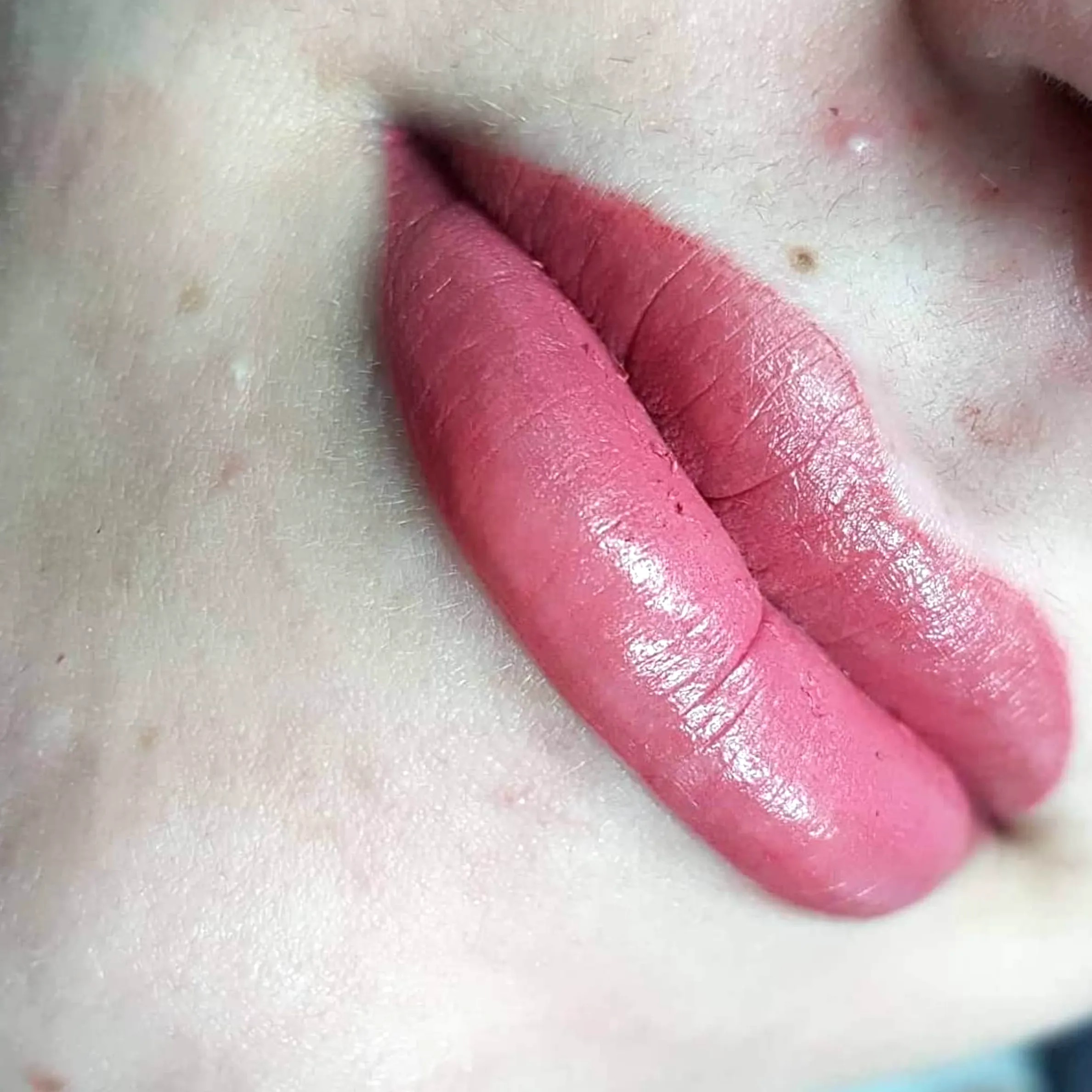
Brisbane’s climate can make a real difference to healing times for brows, eyeliner and lip blush. Sweat, heat and sun exposure can really mess with pigment retention.
You need to know how to adjust:
- Aftercare routines
- Pigment choices
- Machine speed
- Layering on the fly
None of which you can learn by just winging it at home.
Training Pathway: What Your Learning Journey Looks Like
Here’s a realistic breakdown for anyone entering permanent makeup in Brisbane.
| Training Stage | What You Learn | Approx. Timeline |
|---|---|---|
| Infection Control Certification | hygiene practices, clinical waste, regulations | 1 day–2 weeks |
| Beginner Theory | colour theory, skin type, tattoo machine basics | 1–2 weeks |
| Hands-On Course | brows, lip blush, permanent cosmetics fundamentals | 3–5 days |
| Supervised Model Work | 4–8 models, live corrections | 1–3 months |
| Portfolio Building | healed before/after sets | 3–6 months |
| Confident Artist Level | consistent results across skin types | 6–12+ months |
This is the pathway we see year after year.
To give themselves a headstart in their career, many students will do a tattooing your eyebrows course as soon as they grasp the basics of colour theory and safety procedures, allowing them to build a focused portfolio for brow work in no time.
A Real Client Story From Our Studio
There was one poor soul from Brisbane who came to us with brows that had been done by a mate, who’d been using practice skins and pig skin for months – the result was a completely uneven brow & an arch that had gone grey. She said to us later that she wished she ‘d made her friend sign up for some proper eyebrow tattooing eyeliner tattoo courses, cos the fix ended up costing her heaps more than the original treatment.
How To Begin Your Cosmetic Tattoo Journey
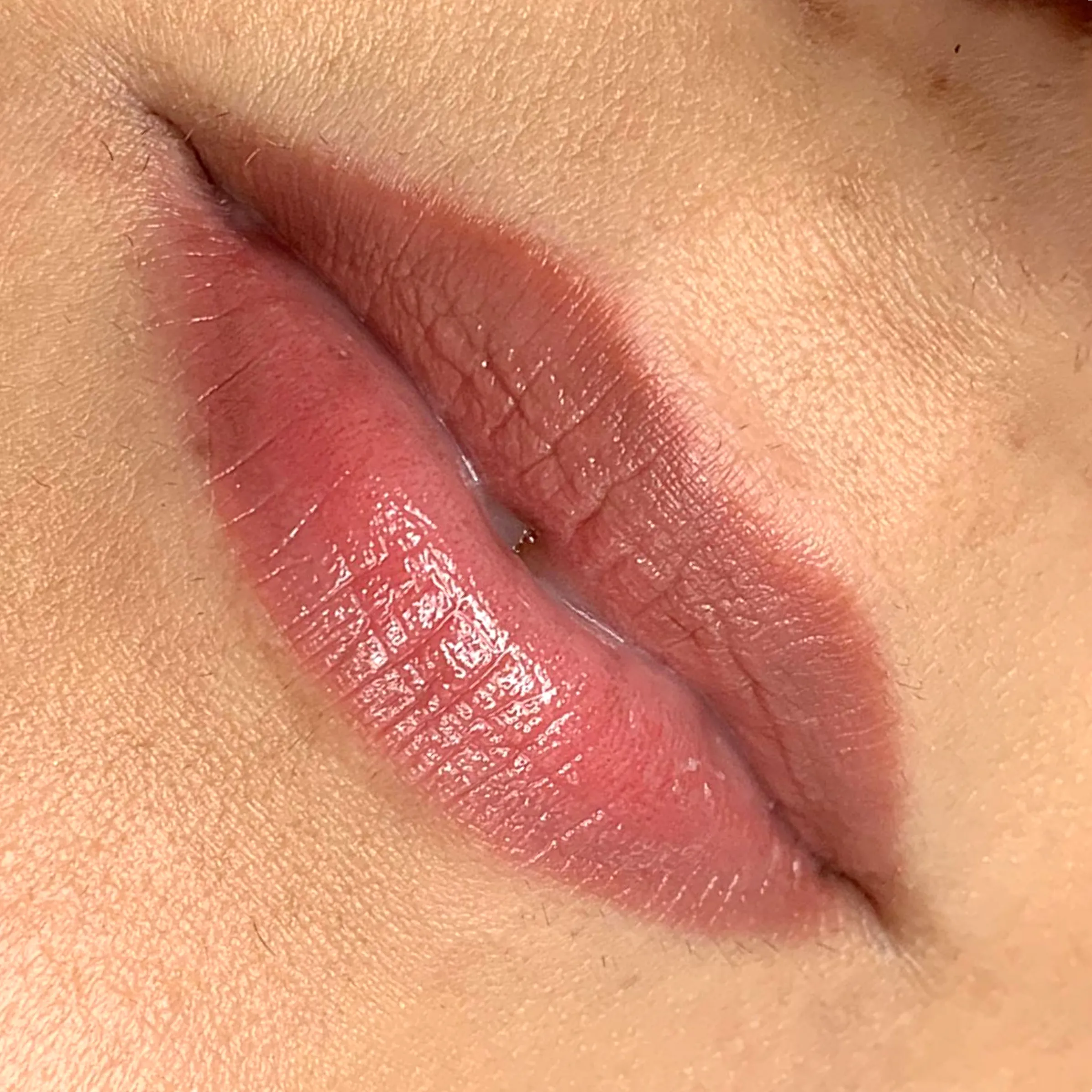
Here’s the responsible, safe way to get started :
- Learn Infection Control Basics
You’ve got to learn this stuff, not just to be safe – it’s the law - Get Yourself Signed Up For Certification Courses
Look out for ones that include
Proper supervision of model work
Hands-on practice with the actual * tattoo machine*
A decent training manual to study
Training on pigment and colour theory
A top-notch training kit to get you started - Get Some Practice In On Training Mats & Practice Skins
Build up your hand skills before you even touch a real person’s skin - Get Out There & Do Some Model Work
This is where the real learning happens
Final Thoughts & What To Do Next
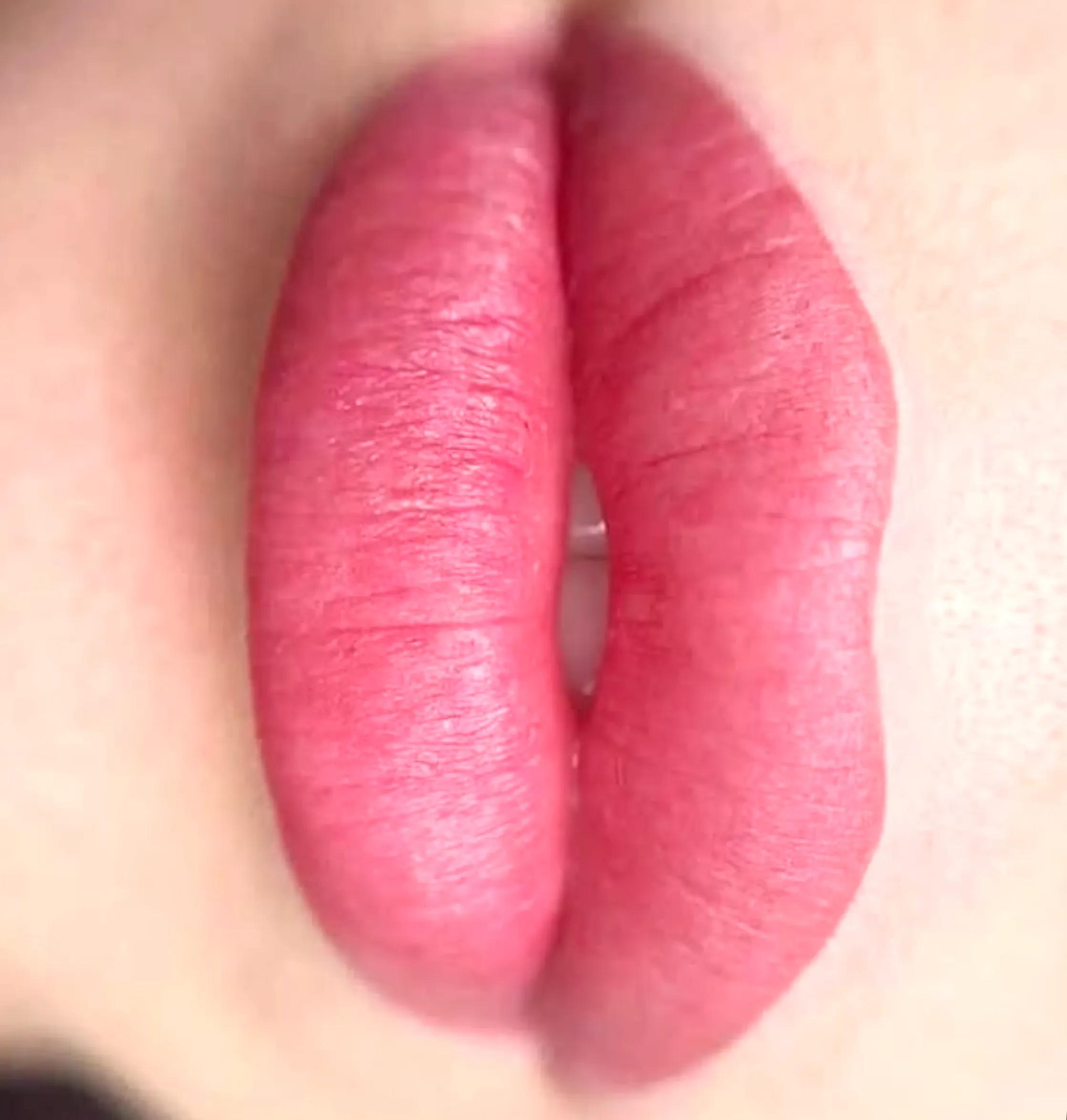
Becoming a permanent makeup artist can be super rewarding, but you can’t learn it all from home study alone. If you’re serious about making a career in cosmetic tattooing – safely & confidently, send us a message at Cosmetic Tattoo Studio Brisbane Face Figurati. We’d be happy to point you in the right direction for your training
FAQs
Is it legal to work as a tattoo artist without getting proper training?
No way – infection control cert & proper training are a must for safe practice.
Can I just go ahead & practice on my mates?
Not a good idea – you need a proper setup, proper DM machine handling, & proper technique before you even touch a real person’s skin.
Is a training kit enough on its own to get you started?
A training kit can help with some basic line control stuff, but it’s no substitute for proper Cosmetic Tattoo training or model work.
Do you really need to learn the Fitzpatrick Skin Scale?
Yeah – it’s pretty important for pigment selection, colour theory, & stopping unwanted healed tones.
How long before I can start taking clients?
Depending on your practice, model work, & how confident you are with your tattoo machine, it ‘s usually around 6-12 months.